As the Leaves Turn: Dressing Your Life in the Colours of the British Woodland

Photo: Alan Hughes, CC BY-SA 2.0, via Wikimedia Commons
Somewhere around late September, something shifts. The mornings arrive with a new edge to them. The light — that low, amber, sideways British autumn light — starts doing extraordinary things to the landscape. Oak leaves go the colour of dark honey. Bracken turns rust and copper. The hedgerows fruit up in purple sloe and red hawthorn berry, and suddenly the whole countryside looks like a mood board you'd save to a folder called yes, this.
This is the season that Wildewood was essentially made for. That crossover moment between the warmth of late summer and the deep, cosy pull of winter is when nature's palette is at its absolute richest — and it's the perfect time to think about how you're living inside your home and inside your clothes.
This isn't about following trends. It's about something older and more instinctive than that: the idea of moving with the seasons rather than against them.
Reading the Landscape as a Colour Palette
Britain's autumn woodland is one of the most quietly spectacular colour events in the natural world, and it's on your doorstep. Before you open a single online shop or step into a single changing room, go for a walk. Seriously — take yourself to a park, a forest trail, or even just a street lined with mature trees, and really look.
What you'll find is a palette of extraordinary sophistication. Deep forest green (the evergreens, the moss, the ivy that refuses to change). Burnt sienna and amber from the dying bracken. Warm ochre from the beech leaves at their peak. Dusty plum and slate from the shadows between the trees. Soft, bleached oat from the dried grasses at the field margins.
These are the colours to build around — both in your wardrobe and your living space. They work together because they come from the same source. There's no clash here, no awkward combination. Nature doesn't make those mistakes.
Building the Autumn Wardrobe, Layer by Layer
Autumn dressing in Britain is fundamentally about layering, and not just for practical reasons (though yes, a British October will absolutely catch you out if you leave the house underprepared). Layering is also where the most interesting styling happens — where textures meet and contrast, where you can pull something unexpected together.
Start with your base. Reach for natural fibres that feel good against skin that's just come in from the cold. Fine merino, organic cotton jersey, linen that's been washed so many times it's gone butter-soft. These are your foundations — neutral, earthy, quietly beautiful.
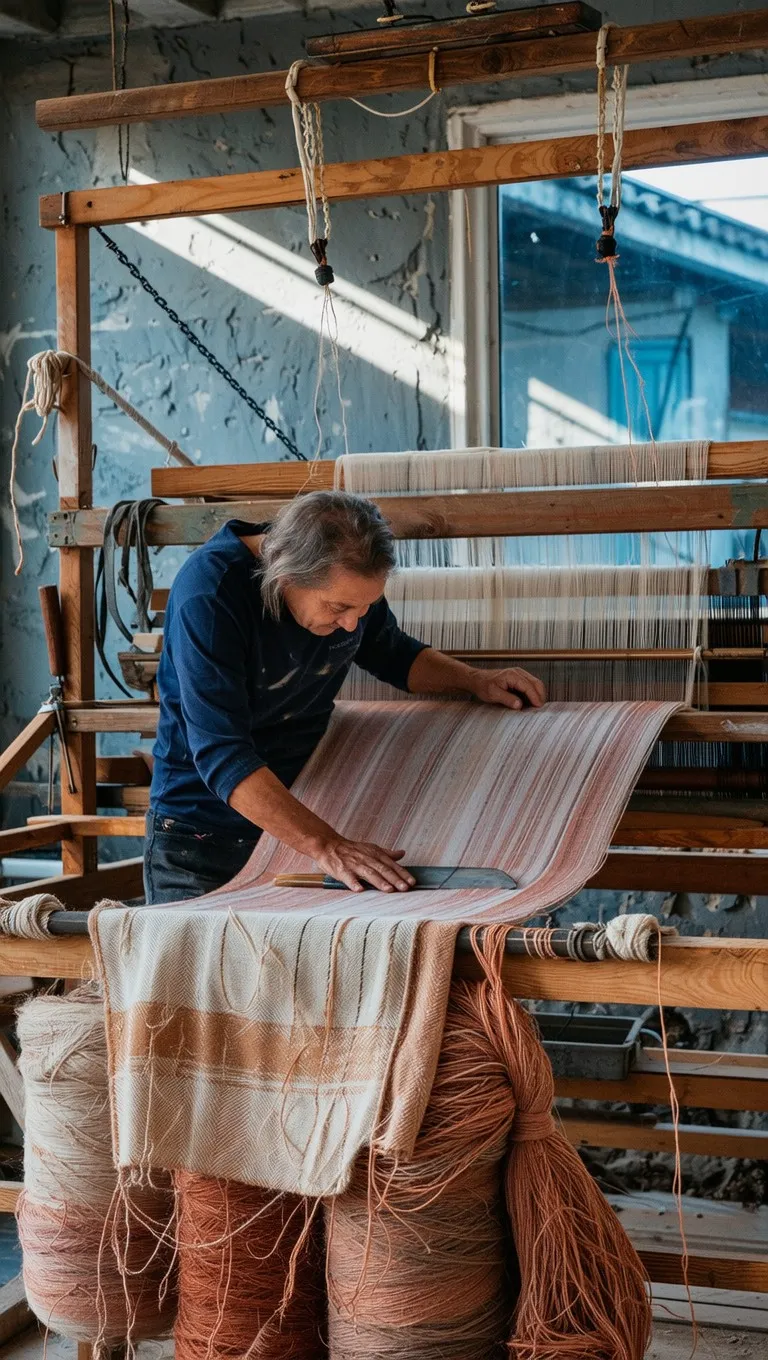
Layer in texture. This is where handcrafted pieces really earn their place. A chunky hand-knitted cardigan in undyed natural wool. A woven throw draped over your shoulders as a shawl on a cool evening walk. A naturally dyed linen overshirt in that particular shade of walnut brown that looks like it was pulled directly from the woodland floor. Texture is what makes an autumn outfit feel genuinely alive.
Finish with something foraged or found. A sprig of dried rosehip tucked into a buttonhole. A wooden brooch carved from fallen timber. A leather belt that's been worn long enough to have developed its own patina. These small details are what separates a look from an outfit — they give it a story.
The Home as Forest Floor
The seasonal shift isn't just an opportunity to refresh your wardrobe — it's an invitation to rethink your living space too. There's a reason we instinctively want to make our homes feel cosier as the days shorten. We're following an impulse that goes back a very long way.
You don't need a complete interior overhaul. Seasonal living is about small, considered shifts that change the feeling of a space.
Bring the outside in. This is the easiest and most satisfying thing you can do. A handful of foraged branches — bare birch, lichen-covered twigs, dried seed heads — arranged loosely in a ceramic jug costs nothing and looks extraordinary. Pinecones in a wooden bowl. A few sprigs of rosemary or dried lavender hung from a shelf. The woodland is full of beautiful things at this time of year; you just need to pick them up.
Swap out your textiles. If you have lighter summer throws or cushion covers, now is the time to rotate them out for something heavier and warmer. Think undyed wool, chunky weaves, worn linen in darker tones. These don't need to be expensive — a charity shop can be a brilliant source for heavy woollen blankets that just need a good wash.
Consider your lighting. As the days get shorter, the quality of light in your home matters more. Candles are the obvious answer, and they're the right one — there's no artificial light source that replicates what a candle does to a room. Beeswax candles in particular have a warm, honeyed glow that feels genuinely autumnal.
A Few DIY Ideas Worth Trying
If you're in the mood to get your hands dirty — and we'd encourage it — here are a few simple seasonal projects that connect beautifully with the Wildewood spirit.
Foraged wreath base. Gather flexible stems — willow, ivy, or young birch shoots work well — and wind them into a circular frame while still pliable. Leave to dry, then decorate with whatever the season offers: dried seed heads, lichen, small pinecones. Hang on your front door or above your fireplace.
Simple natural dye experiment. Onion skins (the papery outer layers) produce a surprisingly beautiful golden-amber dye. Simmer them in a pot of water, strain, and use the liquid to dye a piece of undyed cotton or linen fabric. It's not complicated, and the results are genuinely lovely — a small piece of cloth that carries a very direct connection to your kitchen.
Pressed leaf prints. Collect leaves at their peak colour, press them flat between the pages of a heavy book for a week, then use them to make simple prints on fabric or paper using fabric paint or ink. Frame them, use them as gift wrap, or stitch them onto a tote bag.
Shopping with the Season in Mind
When you do buy new pieces for your autumn wardrobe or home, try to let the season guide you rather than the trend cycle. Ask yourself whether something fits the palette you've been building — whether it belongs in the same world as that walk through the woods.
Prioritise natural materials: wool, linen, cotton, leather, wood, ceramic. These things age well, feel right in the hand, and connect you to the natural world in a way that synthetic materials simply don't. Look for handcrafted pieces where you can — the slight imperfections and variations in handmade goods are exactly what gives them warmth.
And buy less, but better. That's really the whole philosophy, isn't it? A few well-chosen things that you genuinely love, rather than a wardrobe full of pieces that feel okay.
Living at the Pace of the Seasons
There's something quietly radical about choosing to live in rhythm with the natural world. In a culture that moves at the pace of the algorithm — where trends cycle in days and newness is always just a click away — deciding to slow down and take your cues from the turning leaves feels like a small act of resistance.
It's also, frankly, more enjoyable. There's a pleasure in anticipation, in looking forward to the season that's coming and marking the one that's passing. In noticing the specific quality of October light and dressing for it. In filling your home with the actual materials of the landscape around you.
The forest is doing something extraordinary right now. We'd suggest paying attention.