Ask Before You Buy: A Real Person's Guide to Finding Handmade Clothes Worth Every Penny
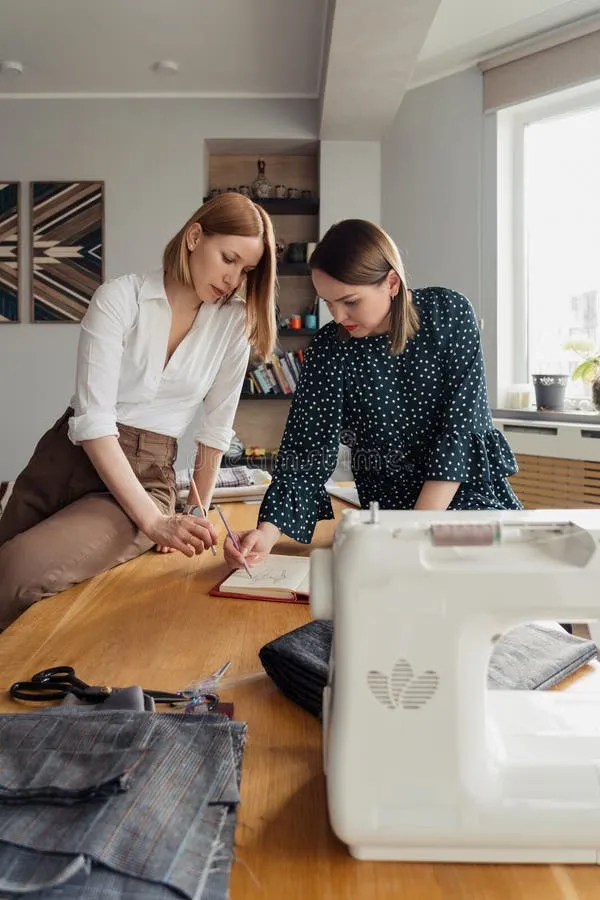
Photo: independent fashion maker sewing studio handcrafted clothing UK, via thumbs.dreamstime.com
You've seen the hangtags. Sustainably sourced. Artisan-made. Crafted with care. They flutter from rails in high street shops and pop up in Instagram ads with reassuring regularity. The trouble is, these phrases have been stretched so thin by overuse that they barely mean anything anymore. A garment can be labelled 'handcrafted' if a single finishing stitch was applied by a human hand. 'Sustainable' has no legal definition in fashion. And 'artisan' — well, that word has been borrowed by everyone from luxury conglomerates to fast fashion giants.
So how do you actually find the real thing? How do you cut through the noise and locate the makers — often working quietly, without massive marketing budgets — who are genuinely creating clothes designed to outlast the season they were made in?
It takes a little effort. But it's far more rewarding than you might expect.
Start with Scepticism (It's a Virtue Here)
The first tool you need isn't a certification checklist or a directory of approved brands. It's a healthy scepticism towards any claim that isn't backed up by specifics.
Vague language is a red flag. "Made with sustainable practices" tells you nothing. "Made in a solar-powered studio in West Yorkshire using undyed British wool from a named farm" tells you everything. The difference between those two statements is the difference between marketing and accountability.
When a brand can't — or won't — tell you where their fabric was woven, who cut the pattern, or how their makers are paid, that silence is information. Transparency isn't just a nice-to-have in ethical fashion; it's the baseline.
Conversely, when you find a maker who answers your questions with enthusiasm, who sends you photos of their studio or links you to their suppliers, who talks about their process the way someone talks about something they genuinely love — that's a very good sign.
The Questions Worth Asking
Whether you're shopping at a craft fair, browsing an independent online shop, or sliding into a small brand's DMs, these are the questions that cut through:
Where was this made, and by whom? Not just the country — the specifics. A named workshop, a named maker, a named region. The more detail, the better.
Where does the fabric come from? This is often where the story gets complicated. A garment might be assembled in the UK but made from fabric woven in a country with poor labour standards. Knowing the full chain matters.
How are the people making this paid? This is the question most brands don't expect, and the answers are revealing. Look for references to living wage commitments, fair trade certification, or — in the case of very small makers — the maker's own explanation of how they price their work.
What happens to this at the end of its life? A brand that has thought about end-of-life — whether that's a take-back scheme, biodegradable materials, or repair services — has thought seriously about sustainability. One that hasn't probably hasn't.
Can you tell me more about the process? Open-ended questions invite real answers. A maker who loves their craft will relish the chance to explain it.
Decoding the Labels
Care labels and country-of-origin labels are legally required in the UK, but they tell you relatively little about ethics or quality. Here's what to look for beyond the basics:
Fibre content: Natural fibres — linen, wool, organic cotton, hemp, Tencel — are generally preferable to synthetic blends. High synthetic content (polyester, acrylic, nylon) is worth querying, particularly in a brand claiming sustainability credentials.
Third-party certifications: These vary in rigour, but the ones worth knowing include GOTS (Global Organic Textile Standard), Fair Trade Certified, the Soil Association's textile certification, and B Corp status for the brand as a whole. None of these is perfect, but they all require independent verification — which is more than a self-applied 'eco' label does.
Price: This isn't a perfect indicator, but it is a useful one. A truly handmade garment — one where a skilled person has spent hours cutting, sewing, and finishing — cannot be cheap. If the price seems too good to be true for something claiming to be handcrafted, it almost certainly is.
Where to Find the Real Thing in Britain
The British independent making scene is genuinely thriving, even if it doesn't always have the loudest voice. Here's where to start looking.
Craft fairs and maker's markets: Events like Crafty Fox Market in London, or the many regional craft fairs that run throughout the year, are brilliant places to meet makers directly, handle their work, and ask your questions face to face. You'll often find prices are more accessible than you'd expect, and the conversation is half the pleasure.
Instagram and social media: Many of the best small makers in Britain have modest followings but extraordinary work. Search hashtags like #britishmade, #slowfashionuk, #handmadeclothing, or look for regional tags. The algorithm doesn't always surface the best stuff — sometimes you have to dig.
Independent online platforms: Folksy is a UK-based alternative to Etsy with a focus on British makers. Not On The High Street features many independent designers. Both are worth exploring, though the same questions apply — not every seller on these platforms is making ethically or sustainably.
Direct from the maker: Many small designers sell primarily through their own websites or newsletters. If you find someone whose work you love, sign up for their mailing list. Small makers often offer early access, pre-orders, or commissions to their most engaged followers — and that's where the real relationship begins.
Building Relationships, Not Just a Wardrobe
Here's the thing about buying handmade: it changes the way you think about clothes. When you know the name of the person who made your jacket, when you've seen photos of the studio where it was cut and sewn, when you've exchanged messages with the maker about the fabric they chose and why — that garment means something different. You take better care of it. You wear it more. You're far less likely to donate it to a charity shop after two seasons.
This is, in a very real sense, the antidote to fast fashion. Not deprivation, not austerity — but connection. The pleasure of owning something with a genuine story, made by real hands, designed to last.
Some of Britain's most interesting makers are working in relative obscurity, producing extraordinary things in small studios and spare rooms and converted barns. They deserve to be found. And you deserve clothes worth keeping.
A Few Things to Remember
None of this means you need to overhaul your wardrobe overnight or spend beyond your means. Ethical fashion is not a competition, and buying one genuinely handmade piece a year is infinitely better than buying none. Start small. Ask questions. Follow makers you admire even before you're ready to buy.
The label on a garment is just the beginning of its story. The rest of it — where it came from, who made it, how it was worn and loved and eventually returned to the earth — is yours to shape.
Make it a good one.