Dress with the Seasons: A British Year in Mindful Fashion

Photo: David Hawgood, CC BY-SA 2.0, via Wikimedia Commons
Somewhere around February, the fashion industry will tell you it's summer. The high street fills with linen dresses and strappy sandals while sleet hammers the windows. By August, the knitwear arrives. This is the fast fashion calendar: perpetually ahead of the actual world, engineered to make you feel perpetually behind.
There is another way to do this. It requires a small but significant shift in how you think about clothes — less as consumable trend items and more as companions for a life lived in a particular place, at a particular latitude, in a particular relationship with the land. In Britain, where the seasons are genuinely distinct and frequently dramatic, that shift can be quietly transformative.
Why the Fast Fashion Calendar Doesn't Fit Our Lives
Britain has a climate that rewards layering, textures, and a certain practical poetry. We are a nation of unexpected downpours, golden October afternoons that feel like borrowed summer, and Februaries that suddenly produce a week of startling blue sky. Our relationship with weather is intimate and slightly combative, and it shapes how we actually get dressed.
Fast fashion ignores all of this. It sells us the fantasy of a smoothly transitioning wardrobe that tracks trend cycles rather than weather fronts, and it does so by keeping us in a state of low-level dissatisfaction: always one purchase away from having the right thing for the season that hasn't arrived yet.
Shopping seasonally — and intentionally — is the antidote. It means buying closer to need, choosing pieces that are genuinely suited to the conditions you live in, and building a wardrobe that deepens over years rather than turning over every few months.
Spring: Foraging Season for Your Wardrobe
The British spring is not a single event. It is a slow unfolding that begins in late February with snowdrops and doesn't fully commit until May. This is actually the ideal template for spring dressing: gradual, layered, responsive.
Spring is the season for adding considered pieces rather than overhauling everything. Think about what genuinely wore out over winter — not what looks unfashionable, but what is actually done — and replace only that. A linen-cotton shirt in a botanical print. A light knit in undyed natural wool. Pieces that speak to what's happening outside: new growth, fresh greens, the particular quality of spring light in the British countryside.
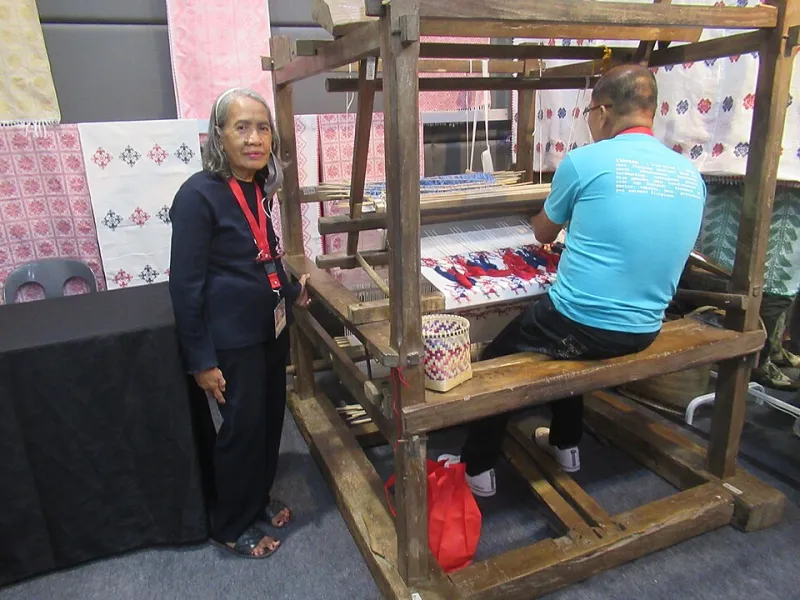
This is also the moment to look at artisan makers releasing their spring collections. Small independent labels that work with natural fibres and traditional craft techniques tend to produce in limited runs, and spring drops sell quickly. Shopping early in the season — before you desperately need something — gives you time to choose thoughtfully rather than reactively.
Summer: The Case for Buying Less and Wearing More
British summer is glorious precisely because it is not guaranteed. When it arrives, you want to actually be in it, not shopping for it. This argues strongly for having a small, reliable summer wardrobe that you genuinely love rather than a drawer full of impulse buys.
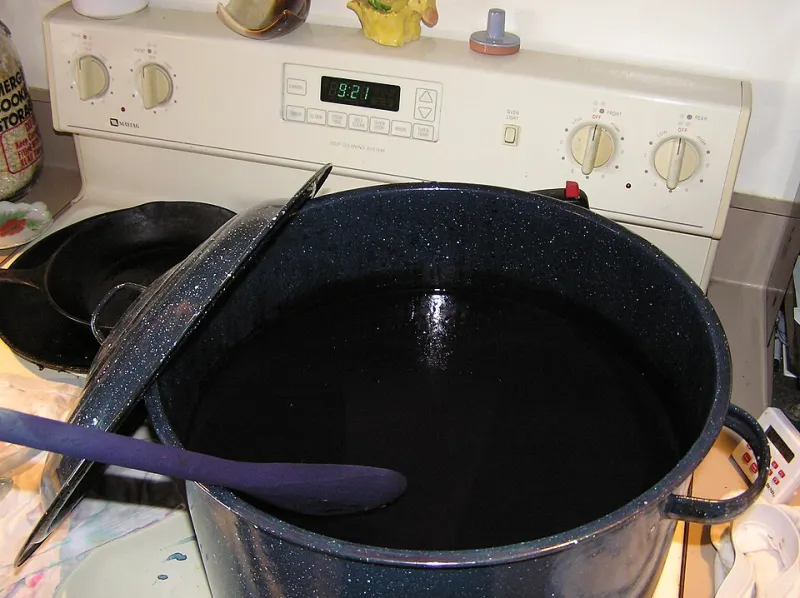
Natural fibres earn their keep in summer more than any other season. Linen breathes in a way that polyester simply cannot. Organic cotton doesn't trap heat. Plant-dyed fabrics — indigo, weld, woad — tend to be made with the same attention to process that makes them genuinely pleasant against skin in warm weather.
Summer is also the season to wear things out with pleasure. That is not a failure state. A piece of quality cloth that shows the marks of a summer well-lived — a linen dress softened by repeated washing, a cotton shirt faded at the collar — is doing exactly what it was made to do.
Autumn: The Season Slow Fashion Was Made For
If there is a season that belongs entirely to the slow fashion aesthetic, it is the British autumn. The light goes golden. The palette of the countryside shifts into rust, umber, and deep forest green. The air carries that particular smell of damp earth and woodsmoke that is, honestly, one of the great sensory experiences of living on these islands.
Autumn is when layering becomes genuinely expressive rather than merely practical. A heavyweight linen base layer. A handwoven wool mid-layer in a colour that echoes the turning leaves. A substantial outer piece — a coat, a long jacket — that will become the structural centrepiece of your wardrobe for the next six months.
This is the moment to invest. Not in the fast fashion version of investment dressing — a trendy piece at a premium price — but in genuinely well-made outerwear and knitwear from makers whose processes you understand and trust. A coat that lasts a decade is not an extravagance. It is the opposite of extravagance.
When shopping for autumn pieces, ask specifically about the fibre provenance and construction. Is the wool from British flocks? Is the lining natural rather than synthetic? Has the garment been made in a way that allows repair? These questions are not pedantic. They are the difference between a piece that serves you for years and one that ends up in a charity bag by February.
Winter: Stillness and Stock-Taking
Winter, in the slow fashion calendar, is not a shopping season. It is a wearing season — and a thinking season. You are working with what you have, discovering which pieces you reach for every day and which ones you have been quietly avoiding. That information is gold.
The pieces you reach for: those are your wardrobe's backbone. Note what they have in common — fabric, weight, cut, colour — and let that guide future decisions. The pieces you avoid: be honest about why. Sometimes a beautiful thing simply doesn't work with the rest of your life. Better to acknowledge that than to keep it out of obligation.
Winter is also when the best artisan makers are often doing their most interesting work — developing new collections, experimenting with materials, taking commissions. Following the makers you love through their quieter seasons, rather than just arriving at their shop when you need something, builds a different kind of relationship with the clothes you eventually buy.
The Framework, Simply Put
A seasonal wardrobe is not a capsule wardrobe in the conventional sense. It is not a prescribed number of items in a prescribed palette. It is simply a wardrobe that grows slowly, responds to where you actually live, and is built from things made with genuine care.
Buy close to need. Choose natural fibres that suit the season. Invest in autumn and wear it out in summer. Ask questions. Follow makers, not trends. Let your wardrobe tell the story of a year spent paying attention to the world outside your window.
That is, when you think about it, what clothes have always been for.