Bloom and Loom: How Britain's Wildflowers Are Finding Their Way onto the Fabric of Fashion
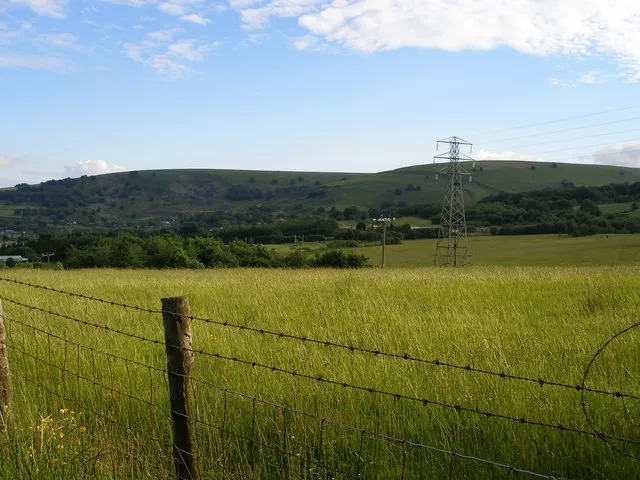
Photo: Carol Rose, CC BY-SA 2.0, via Wikimedia Commons
There's a particular kind of magic in a British hedgerow in June. Ox-eye daisies jostle with red campion, harebells nod in the breeze, and meadow cranesbill spills its violet across verges that most people drive past without a second glance. But a growing community of textile designers has started pulling over the car, crouching down with a sketchbook, and paying very close attention indeed.
Wildflower-inspired fabric is having a genuine moment in British independent fashion — not the sanitised, repeat-pattern florals of fast-fashion catalogues, but something rooted in real ecological knowledge and genuine place. It's the difference between a generic daisy print and a design that could only have come from a specific chalk downland in Wiltshire, from a particular afternoon in late July when the light caught the seedheads just so.
Why Wildflowers, and Why Now?
The timing isn't coincidental. As awareness of biodiversity loss has moved from specialist circles into everyday conversation, a new generation of makers is drawing the connection between what we wear and what grows — or fails to grow — beyond our windows. The UK has lost around 97% of its wildflower meadows since the 1930s, a statistic that lands differently when you're holding a piece of fabric printed with the very species disappearing from the landscape.
For many designers working in this space, the creative impulse and the ecological one are inseparable. Supporting seed-saving charities, working with local rewilding projects, and using botanical illustration as a research tool aren't just marketing choices — they're the actual substance of the practice.
Three Makers Translating the Meadow
Rosa Pemberton, Shropshire
Rosa came to textile design via a decade working as a countryside ranger in the Welsh Marches. Her fabric collections are built around meticulous field sketches made during seasonal walks — she never photographs and prints directly, insisting that the hand-drawn quality gives the work its integrity. Her signature print, Tormentil, features the tiny four-petalled yellow flower found on acid grassland, rendered in fine ink line and block colour. It's been made into scarves, shirt fabric, and most recently a limited-edition tote that sold out within a fortnight.
"There's so much richness in the plants people walk straight past," she says. "Tormentil is this incredibly tough, resilient little thing. It survives conditions that would kill showier plants. I find that genuinely moving, and I want people to feel that when they wear it."
Rosa donates a percentage of every sale to the Shropshire Wildlife Trust's meadow restoration fund — a circle of giving that she considers core to the work, not an afterthought.
Callum and Ines Darroch-Findlay, Scottish Borders
This husband-and-wife studio takes a different approach, working with natural dyes derived from the same plants that inspire their patterns. Their process is slow, seasonal, and deeply place-specific. Weld gives them their yellows, woad their blues, and lady's bedstraw — a frothy, golden-flowered meadow plant — produces a warm apricot that has become something of a studio signature.
Their printed linens layer botanical illustration over these dyed grounds, creating pieces that carry the landscape in two distinct ways: visually and chemically. They also partner with a local seed library to ensure that the plants they harvest are never depleted — for every cutting taken, they commit to cultivating and returning seeds to the wild.
"We think of ourselves as part of the ecosystem, not separate from it," Ines explains. "The fabric is a kind of record of the land in a particular year. That feels important."
Jaya Mehta, Bristol
Jaya's work occupies a more urban intersection of the wildflower movement, drawing on the surprising botanical richness of post-industrial sites and city margins. Bristol's brownfields and canal banks are, she argues, some of the most biodiverse places in the country — and chronically underrepresented in design.
Her current collection, Ruderal, takes its name from the ecological term for plants that colonise disturbed ground: rosebay willowherb, buddleia, groundsel, Oxford ragwort. These are the so-called weeds, the opportunists, and Jaya finds them endlessly compelling. Her screen-printed silks are bold, graphic, and deliberately a little unruly — a deliberate pushback against the idea that nature must be prettified to be wearable.
"Weeds are just plants that humans decided were inconvenient," she says. "I'm interested in rehabilitating them aesthetically, the same way we need to rehabilitate them ecologically."
The Seed-Saving Connection
What unites these three makers — and dozens of others working in this space across Britain — is a relationship with seed-saving initiatives that goes beyond the symbolic. Organisations like the Millennium Seed Bank at Kew, Plantlife's Coronation Meadows project, and countless regional wildflower trusts are finding unexpected allies in the fashion community.
Designers are visiting seed banks for research visits, sponsoring meadow restoration plots, and using their platforms to amplify conservation messaging to audiences who might not otherwise encounter it. It's a two-way exchange: the makers gain access to botanical expertise and raw creative material; the conservation organisations gain visibility and funding from a community that cares deeply about the natural world.
Wearing the Wild
There's something quietly radical about choosing a garment printed with harebells or stitched with the silhouette of a common spotted orchid. It's a small act of attention — a refusal to let the natural world become purely abstract or invisible. In a fashion landscape still dominated by designs that could have been made anywhere, for anyone, there's real meaning in wearing something that could only have come from here.
At Wildewood, we've always believed that the most beautiful things carry a story rooted in place. These makers are proving that Britain's overlooked, ordinary, extraordinary wildflowers have more than enough story to go around. You just have to stop the car and look.