Mixing It Up: How British Textile Makers Are Blending Fibres to Build a More Resilient Wardrobe
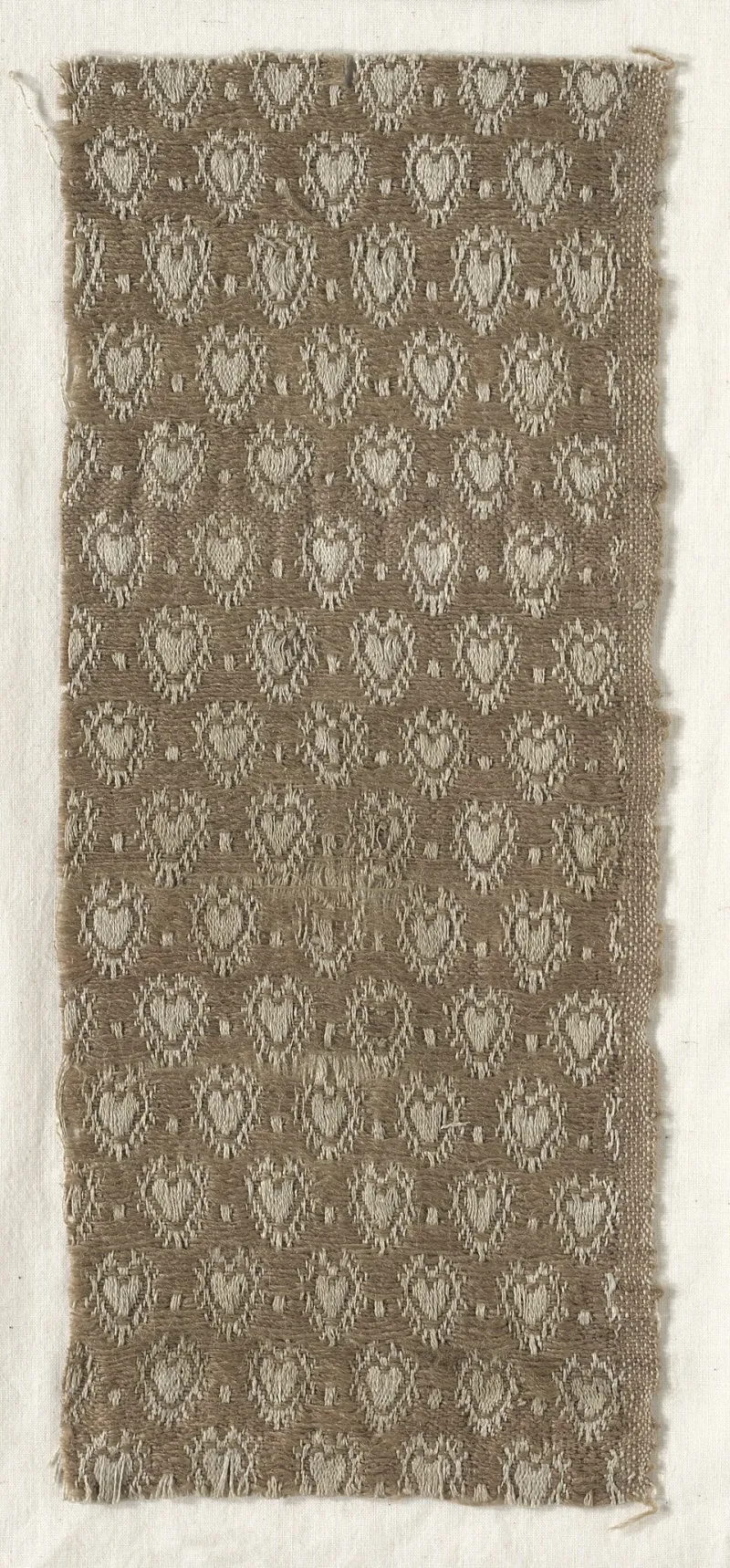
Photo: Unknown, CC0, via Wikimedia Commons
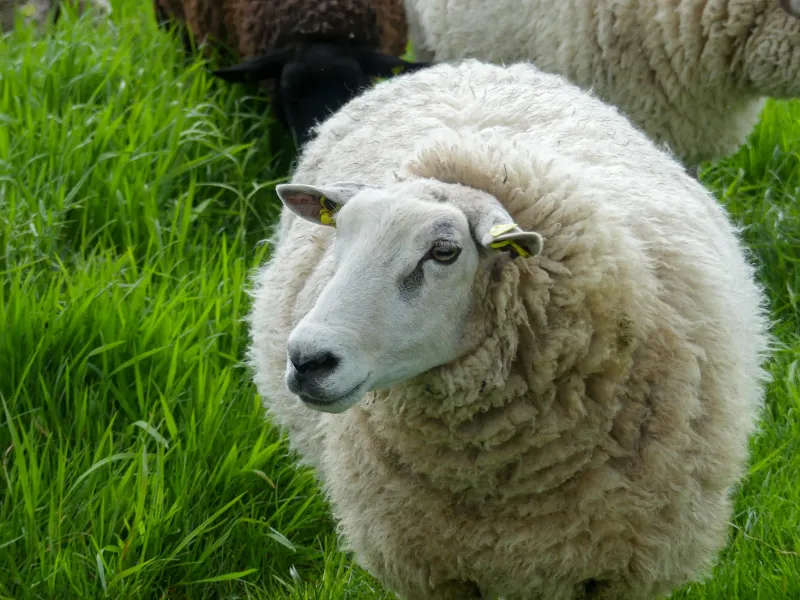
There's something almost alchemical about the moment two raw fibres meet on a spinning frame. A handful of rough hemp and a fleece of soft Herdwick wool, say — two entirely different characters, drawn from entirely different corners of the countryside, twisted together until they become something neither could be alone. Stronger. More breathable. More interesting.
This is the quiet frontier that a growing number of British textile makers are exploring right now. Not with lab-grown materials or petroleum-derived stretch fabrics, but with the oldest building blocks of cloth: plant stems, animal fleece, seed husks, and leaves. The art of natural fibre blending — once the bread-and-butter knowledge of every village spinner — nearly vanished over the twentieth century as industrial monoculture took hold. Now, it's coming back. And the results are genuinely exciting.
Why Single-Fibre Fabrics Have Their Limits
For most of us, reading a care label is about as deep as we go into fabric composition. But spend time with any serious textile maker and you'll quickly learn that single-fibre cloth, however beautiful in its pure form, comes with trade-offs.
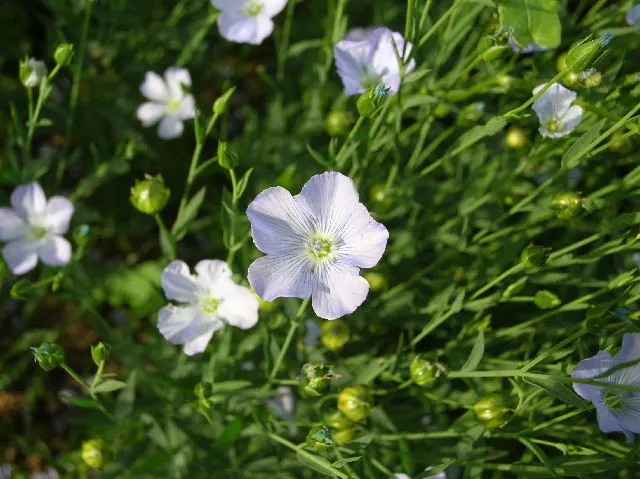
Pure linen, for instance, is extraordinarily breathable and gets better with every wash — but it creases ferociously and can feel stiff against skin until it's properly broken in. Pure wool is warm, moisture-wicking, and naturally odour-resistant, but finer grades can pill, and some people find it itchy. Pure cotton, once the darling of ethical fashion, is thirsty to grow and lacks the natural elasticity that makes garments hold their shape over years of wear.
Blending changes the equation. When you introduce hemp into a linen weave, you add tensile strength without sacrificing breathability. When you spin nettle fibre alongside wool, you get a cloth with the warmth of the latter and the silky drape of the former. These combinations aren't compromises — they're upgrades. They're what skilled makers have always known, and what the industrialisation of fashion largely forgot.
The Makers Leading the Way
Across Britain, a scattered but passionate community of textile studios is doing the hard, slow work of bringing fibre blending back into practice.
In the Scottish Borders — long the heartland of British wool production — several small mills have begun experimenting with introducing plant fibres into their worsted blends. The goal isn't to dilute the wool, but to extend it: to create cloth that performs across more seasons, wears in rather than out, and reduces the overall environmental footprint of each metre produced.
Down in the West Country, independent spinners are working with British-grown hemp — a crop that's been making a determined comeback on UK farms — alongside locally sourced fleece. Hemp is one of the most regenerative crops you can grow: it builds soil health, requires minimal water, and sequesters carbon as it grows. When it's spun into yarn and blended with wool, the resulting fabric has a rugged, lived-in quality that feels genuinely made for the British climate.
There are also makers experimenting with more unexpected combinations: ramie and wool, sea kelp-derived fibre blended with linen, even fibres processed from nettles foraged on the edges of British farmland. Nettle, in particular, has a long textile history in northern Europe that predates cotton entirely — and a handful of dedicated growers and processors are working to revive it as a commercial crop.
The Technical Challenges (And Why They're Worth It)
Let's be honest: this isn't easy work. Natural fibre blending at an artisan scale is painstaking, technically demanding, and often financially precarious. Different fibres have different staple lengths, different moisture absorption rates, different reactions to dye. Getting them to blend evenly — to spin consistently and weave without creating weak points in the cloth — requires deep technical knowledge and a lot of trial and error.
Many makers describe years of experimentation before landing on a blend that performs the way they want it to. Proportions matter enormously. A 70/30 wool-hemp blend behaves very differently from a 50/50 one. The processing method — whether fibres are carded together, combed separately and then plied, or blended at the dyeing stage — affects the final character of the cloth in ways that are difficult to predict without hands-on experience.
And then there's the sourcing challenge. To blend fibres responsibly, you need to know where each component comes from — which means building relationships with individual farmers and growers rather than ordering from anonymous commodity markets. That takes time, trust, and a genuine commitment to traceability that the wider fashion industry has historically been reluctant to invest in.
But the makers doing this work will tell you, consistently, that it's worth every complication.
Seasonlessness as a Design Principle
One of the most compelling arguments for natural fibre blending is what it does to a garment's seasonal range. Fashion has long operated on a model of hard seasonal division — summer fabrics, winter fabrics, transitional pieces that feel like an afterthought. But blended natural fibres, chosen thoughtfully, can produce cloth that genuinely performs across a much wider temperature range.
Wool-linen blends are a perfect example. Linen keeps the fabric cool and moisture-wicking in warmer months; wool adds warmth retention and structure for cooler days. A well-made jacket in a balanced wool-linen weave can carry you from a breezy British April through to a damp November without feeling either too heavy or too light. That's not a small thing when you're trying to build a wardrobe that's genuinely sustainable — fewer garments, worn more often, for longer.
This idea of seasonlessness aligns neatly with a broader shift in how thoughtful dressers in the UK are approaching their wardrobes. Less churn. More intention. Pieces that earn their place by being genuinely useful across the full sweep of the year.
What 'Rewilding' Has to Do With Fabric
The word 'rewilding' gets used a lot in conservation circles — it describes the process of reintroducing diversity and natural complexity to landscapes that have been simplified and impoverished by monoculture farming. There's a useful analogy here for what's happening in natural textile craft.
For decades, the textile industry simplified itself relentlessly — fewer fibre types, fewer suppliers, fewer processes. Efficiency was everything. What we lost in that simplification was resilience: the biological and cultural knowledge of how to work with the full range of what the natural world offers.
The makers blending nettle with wool, hemp with linen, ramie with cotton — they're doing something that feels a lot like rewilding. They're reintroducing complexity. They're drawing on a broader palette of plant and animal fibres, rebuilding relationships with the land those fibres come from, and creating textiles that are richer, more durable, and more ecologically grounded than anything a monoculture approach can produce.
It's slow work. It's niche work, for now. But it's also, quietly, some of the most important work happening in British fashion.
How to Find and Support These Makers
If you're curious about exploring blended natural fibre textiles, the best place to start is at craft fairs and textile festivals — events like the British Craft Trade Fair, or smaller regional wool and fibre festivals that have been growing steadily across England, Scotland, and Wales in recent years. These are the spaces where independent spinners and weavers sell directly, and where you can actually handle cloth and ask the questions that labels can't answer.
When you're buying, ask about the fibre composition and where each component was sourced. Ask why those particular fibres were chosen together. A maker who's genuinely engaged with their materials will light up at these questions — and the answers will tell you everything you need to know about whether a piece is worth investing in.
Blended natural fibres aren't always the cheapest option. But they're often the most honest one — cloth made with real knowledge, real care, and a genuine connection to the landscape that produced it. In a wardrobe built for the long haul, that counts for a great deal.