Rooted in the Field: The Quiet Return of British Linen and Why Your Wardrobe Needs It
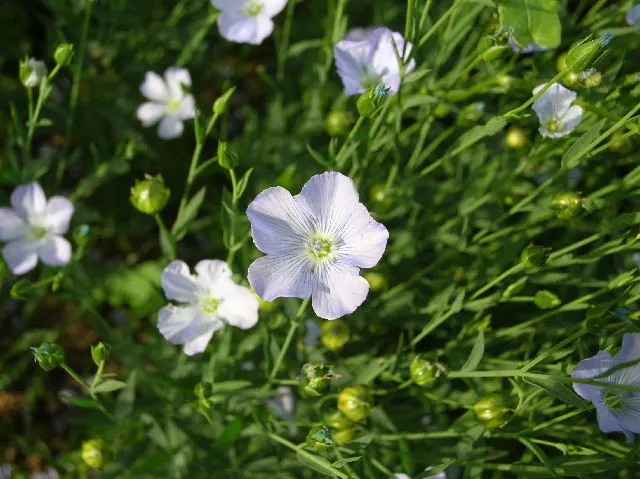
Photo: Paul Johnston-Knight, CC BY-SA 2.0, via Wikimedia Commons
There's something almost poetic about linen. It wrinkles beautifully. It softens with every wash. It carries the memory of the field it came from — that particular golden-green shimmer of flax in full bloom, nodding in a summer breeze somewhere in the British countryside. For centuries, linen was woven into the very fabric of life here. Then synthetics arrived, cotton became king, and flax fields all but disappeared from the landscape.
But something is shifting. Quietly, persistently — the way good things tend to — linen is coming back.
From Field to Forgotten: A Brief History
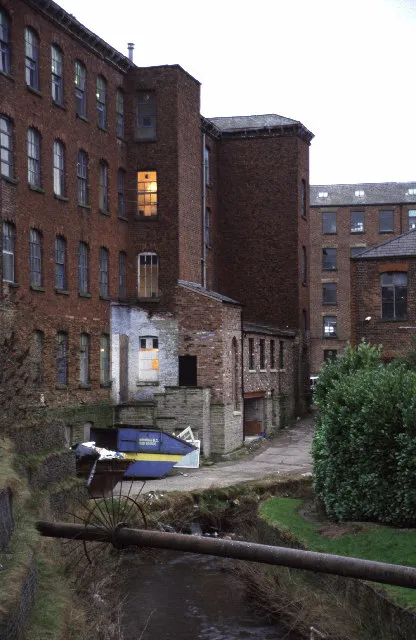
At its peak, flax cultivation stretched across Ireland, Scotland, and the north of England. The linen industry was a cornerstone of the British economy, employing hundreds of thousands of people and clothing generations of families in something durable, breathable, and entirely home-grown. The Belfast linen trade alone was once the envy of Europe.
The collapse came gradually. Industrialisation, the rise of cheap cotton imports, and eventually the explosion of synthetic textiles pushed flax farming to the margins. By the late twentieth century, it had all but vanished from British fields. Most linen sold in the UK today is processed in China or Eastern Europe from flax grown in France or Belgium.
But a handful of passionate growers and textile makers are determined to change that.
The People Growing It Back
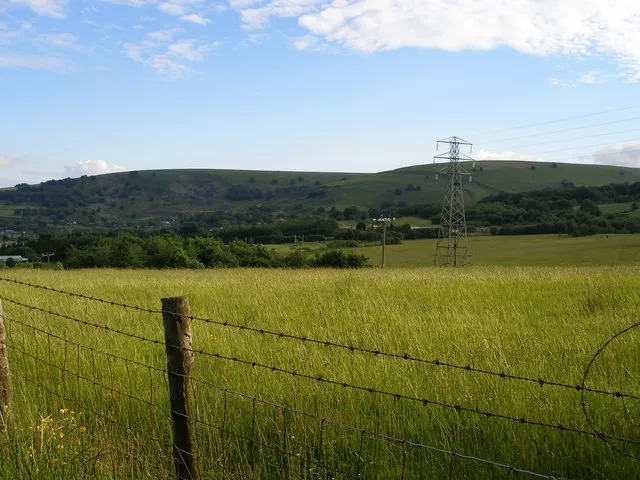
In Lincolnshire, a small cooperative of farmers has been quietly trialling flax cultivation for the past several years, working with textile researchers to understand how British-grown fibre might feed back into domestic production. "Flax is actually a very forgiving crop," says one grower involved in the project. "It doesn't need a huge amount of chemical input, it improves the soil, and honestly — it's stunning to look at. The fields go the most extraordinary shade of blue when it flowers."
Further north, in the Scottish Borders — a region long associated with fine textile heritage — small mills are beginning to explore linen blends, pairing British-grown flax with wool from local farms to create fabrics with real provenance. These aren't mass-produced bolts of cloth. They're small batches, made slowly, with the kind of attention that shows in the finished garment.
Designers are taking notice. A growing number of independent British fashion labels have begun specifying linen — and increasingly, British or European linen — in their collections. The reasons aren't purely romantic. The environmental case is hard to argue with.
Why Linen Wins on Sustainability
Let's talk about cotton for a moment. It's the world's most widely grown non-food crop, and it's thirsty — extraordinarily so. Producing a single kilogram of conventional cotton can require upwards of 10,000 litres of water. It's also one of the most pesticide-intensive crops on the planet. The environmental toll is significant.
Polyester, meanwhile, is essentially plastic. It sheds microfibres with every wash, contributing to the growing crisis of microplastic pollution in our waterways and oceans. It doesn't biodegrade. And it's derived from fossil fuels.
Linen, by contrast, is made from flax — a plant that requires very little water (often relying on rainfall alone in Northern European climates), minimal pesticide use, and which can be grown on land unsuitable for food crops. Every part of the plant is usable, from the fibre to the seed. Linen itself is fully biodegradable. A linen garment that reaches the end of its life returns to the earth. A polyester one does not.
It's also extraordinarily durable. Linen gets better with age — literally. The more you wear it, wash it, and live in it, the softer and more characterful it becomes. A well-made linen piece can last decades. That's the kind of sustainability that doesn't need a marketing campaign.
Styling Linen Through the British Seasons
One of the persistent myths about linen is that it's a summer-only fabric — something you pull out for a weekend in Dorset and pack away by September. In reality, linen is far more versatile than it's given credit for.
Spring: Layer a loose linen shirt under a knitted gilet as the weather starts to turn. The breathability of linen means you won't overheat on those unpredictable April days, and the natural texture adds interest to simple outfits. Opt for earthy tones — sage, clay, undyed ecru — that feel right at home in the emerging landscape.
Summer: This is where linen truly shines. Wide-leg trousers, relaxed dresses, unstructured jackets — let the fabric do the work. Don't fight the wrinkles. They're not a flaw; they're the point. A crumpled linen dress worn with leather sandals and a wicker bag is the most effortlessly beautiful thing you can wear on a warm British evening.
Autumn: Heavier-weight linen comes into its own here. Look for linen-wool blends, or simply layer your lighter pieces — a linen blouse under a chunky knit, or linen trousers tucked into boots. The neutral palette of natural linen sits beautifully against the ochres and rusts of the season.
Winter: Yes, really. A structured linen blazer over a thick roll-neck, or linen-blend trousers as part of a layered outfit, works wonderfully in the cooler months. Linen's natural insulating properties are often underestimated.
What to Look For When You Buy
Not all linen is created equal. When you're shopping, it's worth asking a few questions. Where was the flax grown? Where was it processed? Is it certified by any recognised standard — the European Flax certification, for instance, which guarantees flax grown in Western Europe without irrigation or chemical defoliants?
Look for makers who are transparent about their supply chains. Independent British designers working with linen often have direct relationships with their mills and can tell you exactly where their fabric comes from. That story is part of what you're buying.
Pre-washed linen — sometimes labelled as "stonewashed" — is worth seeking out if you're worried about that initial stiffness. It's softer from the start, though even unwashed linen will relax beautifully over time.
A Fabric Worth Waiting For
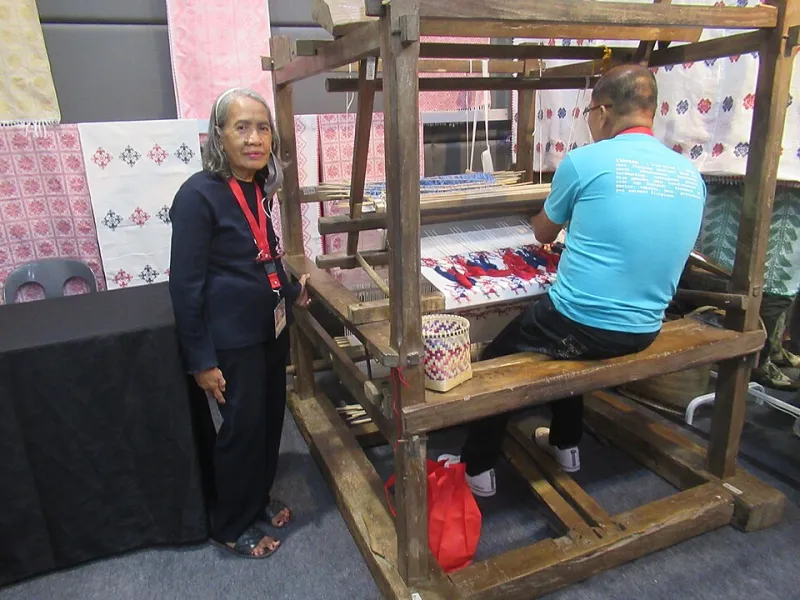
There's a patience required in working with linen — in growing flax, in retting and spinning the fibre, in wearing a garment that reveals its full character slowly, over years. That patience feels countercultural in a world of fast fashion and instant gratification. It also feels, right now, like exactly what we need.
British linen is coming back. Not with a fanfare, but with the quiet confidence of something that was always worth keeping. Make some room for it.